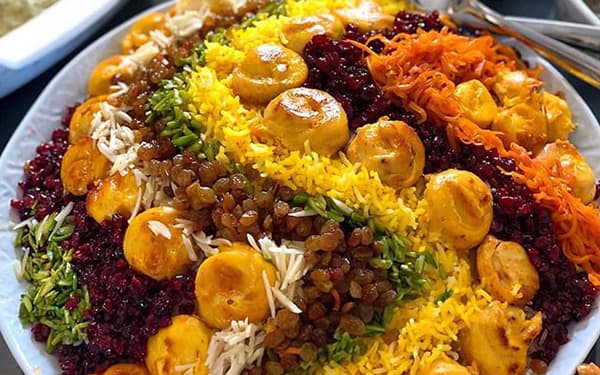
Bejeweled rice or morassa polo is one of the traditional and very delicious Iranian dishes, which is known as a luxury meal. In this article, you will get to know how to prepare Morassa polo.
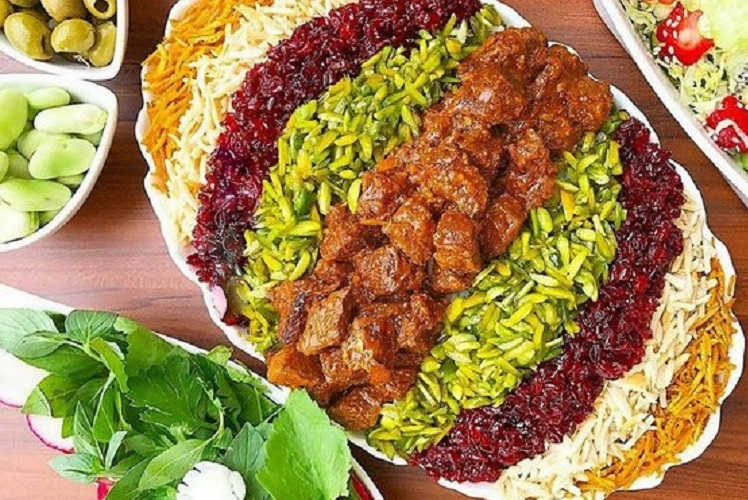
What is morassa polo or bejeweled rice?
morassa pilaf is a traditional and delicious dish. It is a pilaf (rice) with meat, in which nuts and orange peel are used. It is very fragrant. Morassa in Farsi means bejeweled work and installation of different and colorful precious gems in a piece of art. And because different culinary jewels are used in it, it is called morassa polo or bejeweled rice.
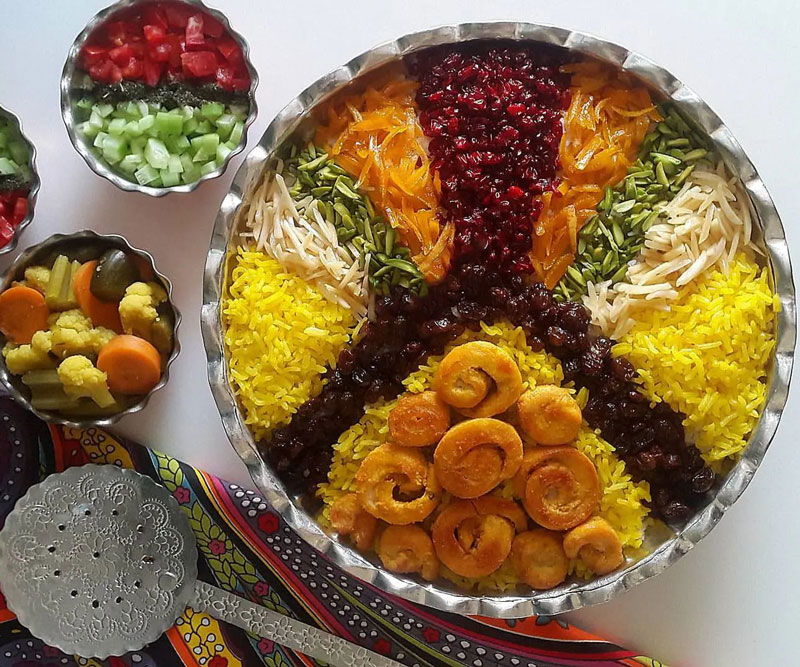
Materials needed to make morassa polo
One Whole chicken: 1 pc
Onions: 2 medium ones
Saffron: 1/3 tsp
Walnut kernels: 1/2 glass
Pistachio slices: 1/2 glass
Sliced almonds: 1/2 cup
Sliced orange peel: 1/3 cup
Raisins: 1 glass
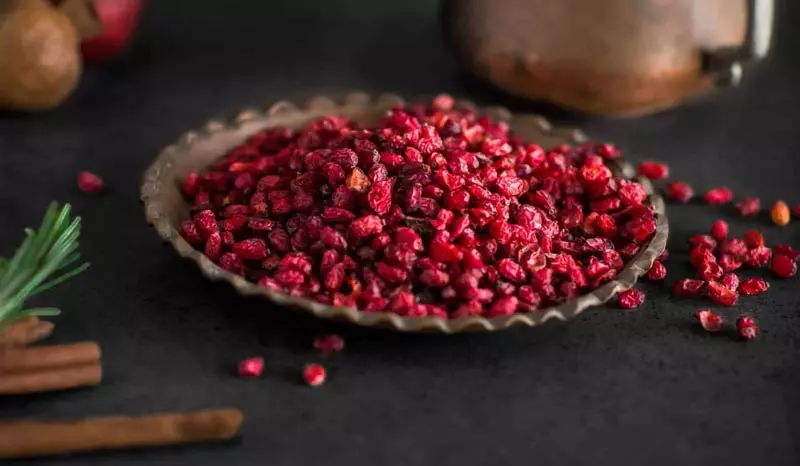
Barberry: 1 glass
Turmeric: 1/2 tsp
Salt: as much as needed
Sugar if needed: as much as needed
How to make morassa polo or bejeweled rice
First, wash the rice and soak it with a little salt and keep it in water for a few hours.
Then prepare ingredients such as (chicken, orange peel, barberries and raisins) that are used to decorate the rice.
For this, you have to soak the barberry and raisins separately in cold water for 2 hours before, so that if there are any clay or pebbles, they will settle. Then divide the chicken into four parts and add some salt, turmeric and Cook with 1 onion and some water until the chicken meat is fully cooked.
Remove the cooked chicken from the bone and cut into smaller pieces.
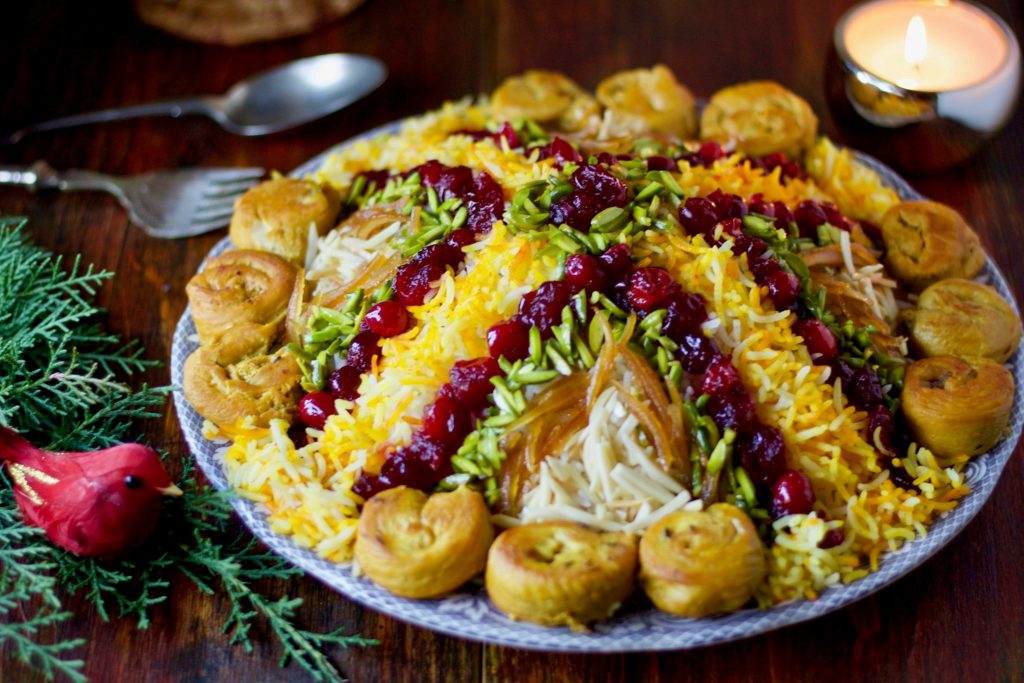
How to remove bitterness of orange peel slices
Also, if you prepare candied orange slices, you don’t need to do anything to sweeten them, but otherwise you should soak the slices in water several times and drain the water, and in the next step, boil them in boiling water for short while and drain the water. Do this 3 times until the bitterness of the orange slices is completely gone. After they become sweet, fry them in some hot oil on a low heat to the size of one or two stirring of ladle.
And at the end, pour a tablespoon of sugar on it and mix well, and when the slices are uniform, remove it from the heat so that the sugar melts due to the heat.
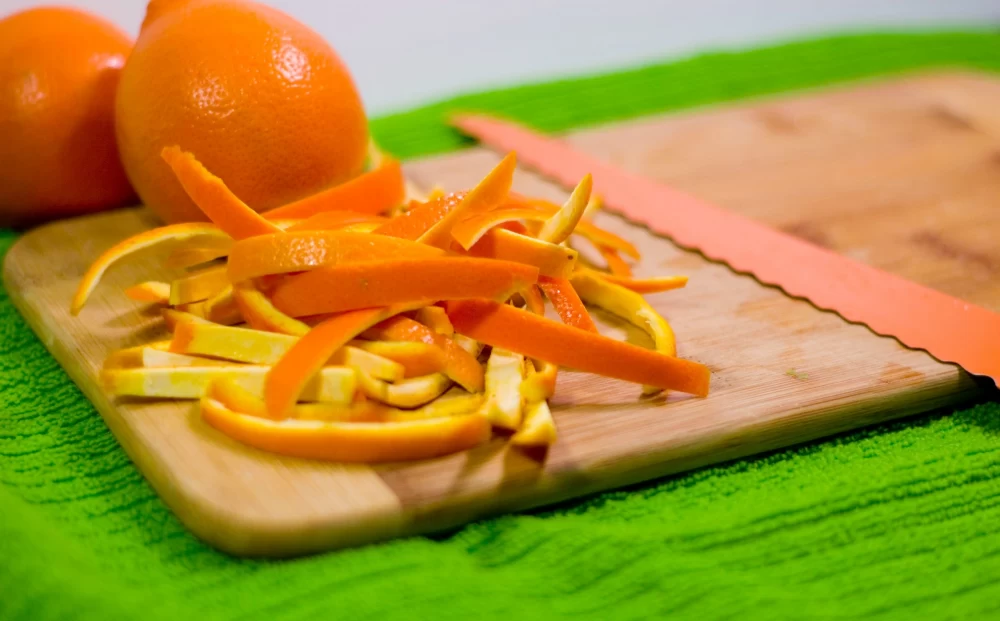
Prepare barberry for Morassa polo
Barberry and raisins are also taken out of the water after soaking well. And we fry half of the onion with oil and when the color of the onions turns golden, we put the barberry in it and fry a little so that the barberry does not burn. If the barberry is sour, you can add one or two tablespoons of sugar and sweeten it.
After preparing the ingredients for the pilaf (rice), we drain the already soaked rice and we prepare it through Abkesh method. Notice that abkesh (colander) method is a method of preparing rice in persian cuisine which has a skill that you can learn it, through which you do abkesh (colander) and let it steam cooked.
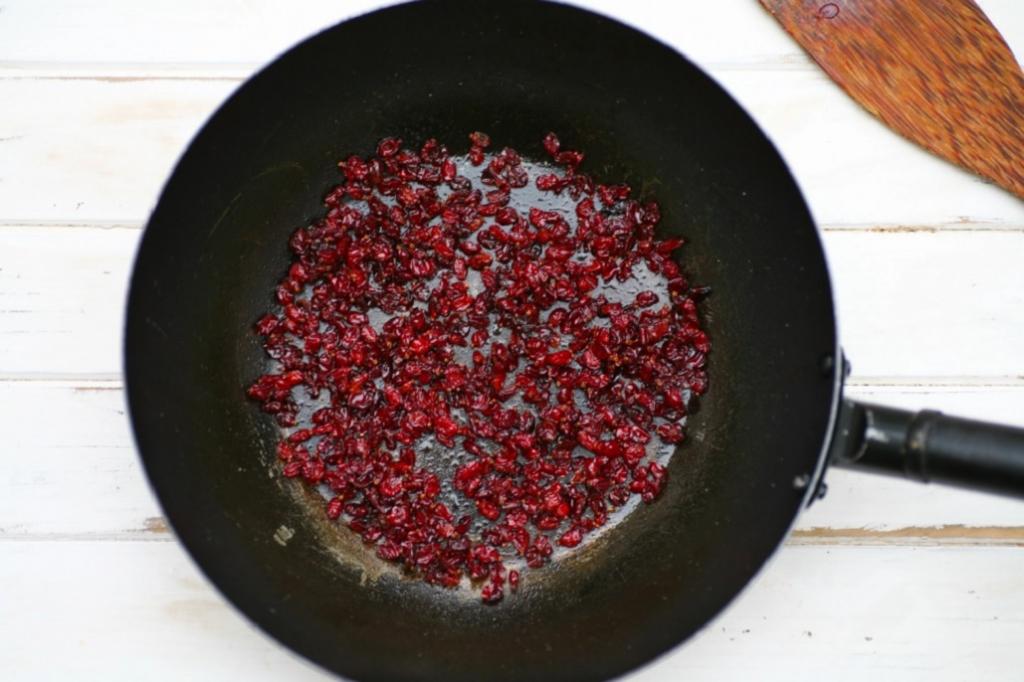
Mix the cooked and prepared chicken with barberry and raisins and when serving the rice, mix it with half of the prepared rice and mix some of the prepared rice with brewed saffron and pour it on the rice along with the slices. Finally, you can heat some oil and spread it on the rice, which is oil-giving (Roughan dadan). Notice that oil-giving is a skill in persian cuisine that you can learn and they pour a little oil on the prepared rice.
Techniques to make Morassa polo tastier:
It will taste better if Seville orange peel is used instead of orange peel.
To make this dish tastier, if you use yogurt tahchin or chicken tahchin, it will be tastier.
Use a little saffron rice to decorate.
Make sure to use colander-drained Iranian rice, not Katteh rice. Later, it will be explained what is difference of colander rice with Katteh.
To prepare orange slices, you must separate the orange-colored part of the orange peel and cut it into slices, and then boil it in water 3 times for 7 minutes to remove the bitterness. In the third stage of boiling, add a small part of rock candy to the slices to sweeten the orange slices.
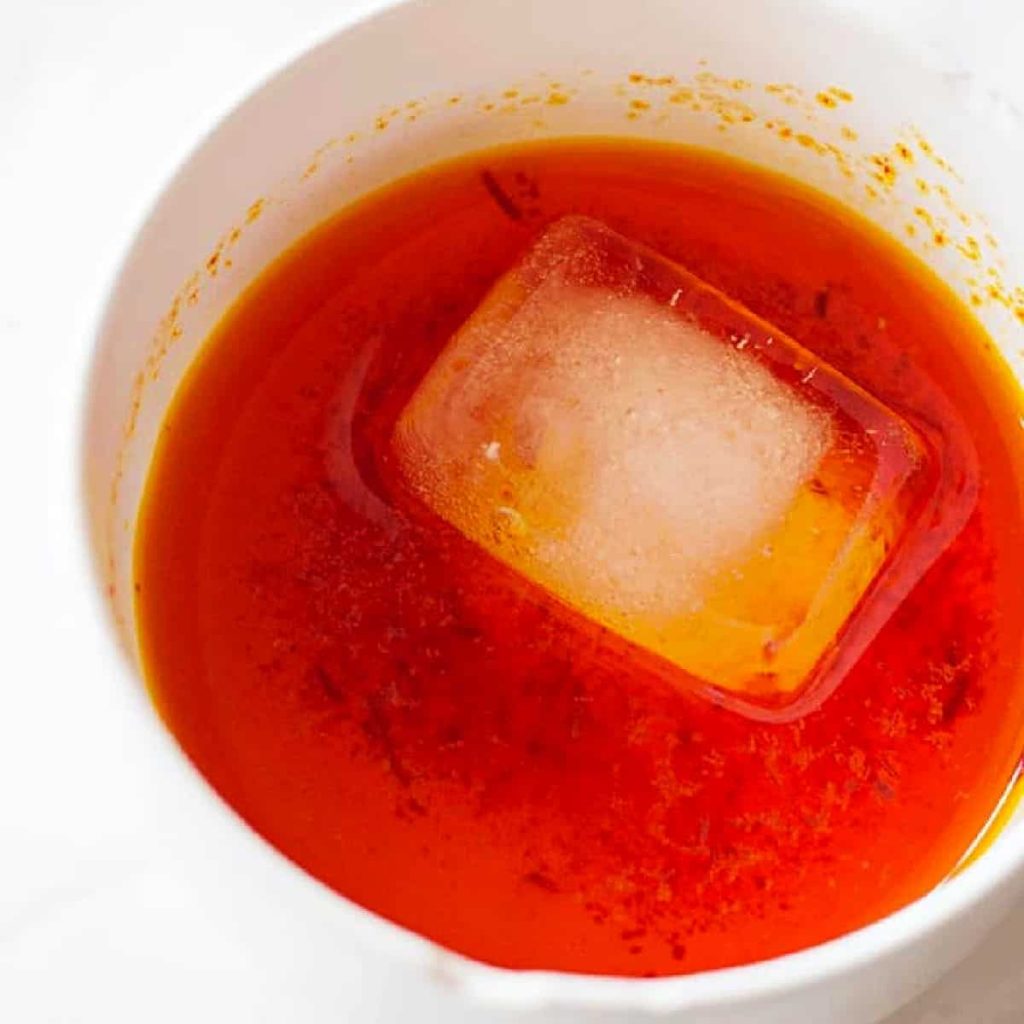
Try to use a lot of saffron in cooking this dish.
You can mix saffron separately with some rice and don’t add it to barberry to make the composition of the color of the morassa polo more beautiful.
You can also use meat instead of chicken and fish to prepare morassa polo. In this way, fry the meatballs in oil. and add it with slices or nut and orange on rice and decorate it.
To remove the bitterness of almond and pistachio slices, put them in water and some sugar the night before. If you soak it in rose water it become tastier and with better smell.
Make sure that the slices are placed on top of the rice in morassa polo.
You can also use food colors to make the rice plate more beautiful.
read more: Pistachio for women health
Additional notes about Morassa polo
The preparation time of raw materials and its necessities is about 2 hours
And the cooking and waiting time is about 2 hours.
You can serve morassa polo for lunch and dinner.
It can also be eaten as a sohour and iftar meal in the month of Ramadan.
Note that the amount of ingredients and the recipe is suitable for 6 people.
Tips for preparing Iranian rice
This tips are used not only for Morassa polo, but in general for any Iranian rice. Notice that oil-giving is a skill in Persian cuisine that you can learn and they pour a little oil on the prepared rice. Also saffron-brewing is a skill which you should do it correctly, for making rice, saffrony and tasty. Also preparing barberry for rice is a skill. Indeed, preparing rice in Persian method is composed of some components which one should do to have a good rice or polo, and these components are not specific to morassa polo but every other Iranian rice preparation. These are as follows:
Abkeshi or colander draining of rice
Steam-cooking, which is carried out after colander draining
Oil-giving and it is optional
Barberry preparation in which barberry is sweeten up with butter and sugar
Saffron brewing in which saffron is smashed with sugar cubes. One puts sugar cubes (Qand) beside saffron to help saffron be smashed better and easier. One pours a little hot water on the smashed saffron to brew for a while, then one pours this brewed saffron water on cooked rice.
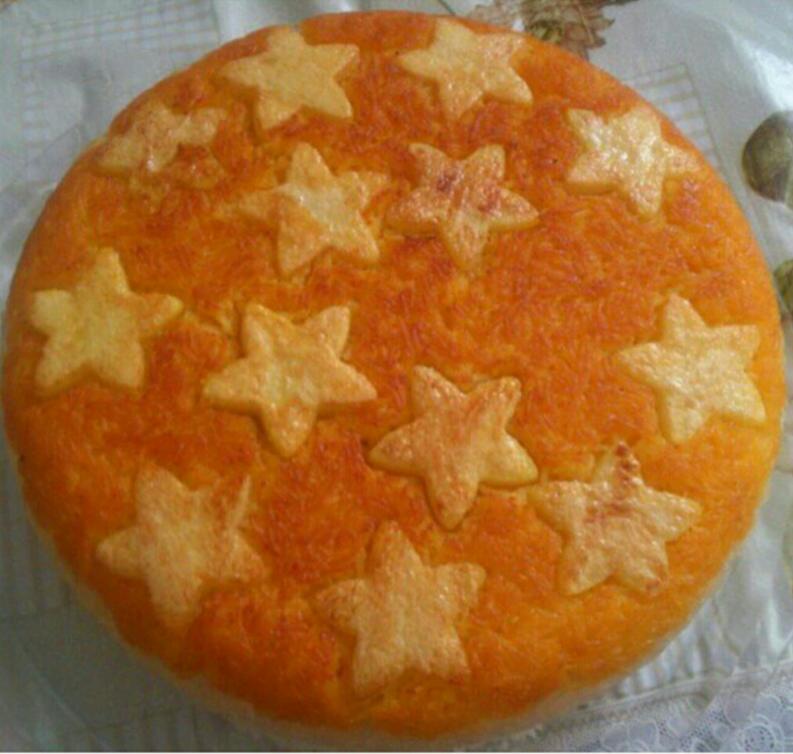
Crust-putting: one put potato slices or flatbread or lettuce or zucchini slices at the bottom of rice pot to make crust which is known as tahdig. These are all optional, if one doesn’t put them, the rice itself become crusted which is agreeable for many. But for saving the rice from burning or wasting, one puts these optional crust materials. One even put these for preparing Iranian pasta or Makaroni.
Pistachio slice adding: it is also a component of preparing Iranian rice, but is really optional and one does it only in great parties and ceremonies. But if one to do the cooking at the best one may choose to do it!
Adding Qeyssi or date: some even may choose to add up some Qeissi (dried apricot) or date. But is quite optional, and maybe some people with special taste do it, because generally people don’t like sweet things in their Iranian food.
Notice that all above components of rice-cooking can be applied also in preparing Iranian pasta or macaroni, for example adding oil, adding tahdig (crust), or even saffron. But colander-draining and steam-cooking are basic component of Iranian pasta.
What is difference of Katteh and colander rice
Iranian rice is prepared in two manners. The simple way is katteh (stovetop) which rice is poured in boiling water and one wait until water is finished due to evaporating or absoption into rice.
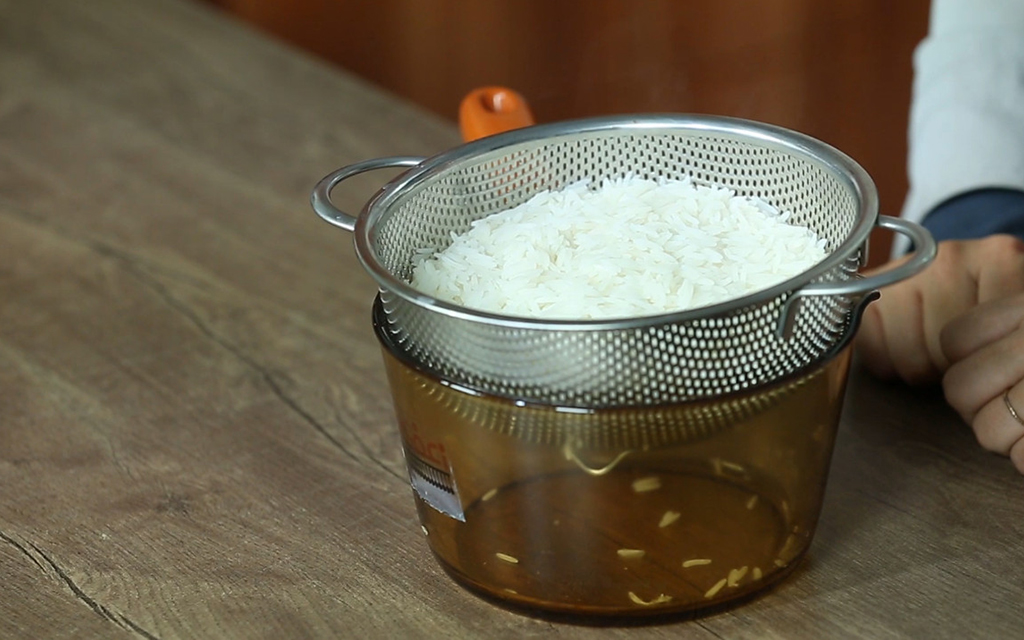
The second is Abkeshi or colander steamed. In which rice is poured in boiling water, after roughly 8 minutes, rice is poured in the colander and the drained rice again is poured in a pot so that it would be cooked. One may choose to attach a towel to the lid of pot so that steam doesn’t turn into water and go back to rice. The towel absorbs excessive steam. The towel is known as damkoni in Farsi. But also, if the lid had a tiny hole, it can let the steam out of pot and it serves as the damkoni.
Abkeshi method is more classy method and it gives you the opportunity to put tahdig material at the bottom of pot, for example potato or zucchini which are sliced, or even flatbread.
Notice that although we said katteh is simpler than colander method, but katteh itself calls for many tips to consider and preparing it is a complete skill and one should pay attention to many tips and instructions to have a good katteh. Otherwise if one use a lot of water for katteh, it may become very loose and soft (Shefteh) or by pouring little water, katteh becomes very hard-seed (Doon), and both are bad, but the middle step between shefteh and doon is ok.
Leave a Reply